The Conflict of Water
Collaboration: William Dalstø, Amalie Vallner, Sindre Kvalsvik, Hanna Meyer Thuestad, Lexi Raven
Duration: Seven weeks
Output: Giga-map with current situation, user journey, future scenarios and possible interventions. Presentation and report.
Role: Research, analysis, mapping, visualisation, ideation, writing and communication.
Direction: System-oriented design
Conflict of Water is a system-oriented design project investigating the complex water situation in South Sudan.
A central challenge was finding ways to enter, structure, and communicate a large and complex problem space, while also exploring collaboration within a design team.


Going into this project, we gathered everything we could find about South Sudan and its water situation, from research papers to news articles.
We interviewed people who had worked in or with South Sudan, including one from South Sudan, as well as Terje Tvedt, author of The History of the Nile.
All the material was organized into categories across different levels, from individual to societal, as well as across sectors and perspectives.
We analyzed these findings and began mapping and defining them using the iceberg method.
By this point, we had developed a broader understanding of South Sudan and its water situation.
Moving forward, we reflected on both the opportunities and the key barriers.
One finding that stood out was the significant potential for food production in parts of South Sudan, while the country simultaneously faces the effects of climate change and conflict.
Building on the identified barriers and opportunities, we began exploring possible futures for South Sudan based on the current situation, and visualized these with photorealistic AI-generated images. This served as a way to quickly imagine what a possible future might actually look like.
We then brought these imagined futures back to today’s context and explored how small interventions could begin to shift some of the conflict loops.


The entire research phase where summarized into a gigamap shown at the bottom of the page.
The first part of the gigamap provides a quick overview of the broader context of water in South Sudan.
The next part of the gigamap shows some of the problems and opportunities we identified in the research phase.


The identified problems were illustrated through the daily life of a young girl in South Sudan, projected into possible futures, and then summarized into broader visualizations and narratives of how the country might get there.
One scenario explored a future in which South Sudan retained smaller, traditional governance structures while developing local food production and small-scale energy systems.
Another imagined a more centralized government pursuing larger development projects in collaboration with the African Union.
The scenarios were used to explore leverage areas that could be further investigated to build bridges between today and desired futures.


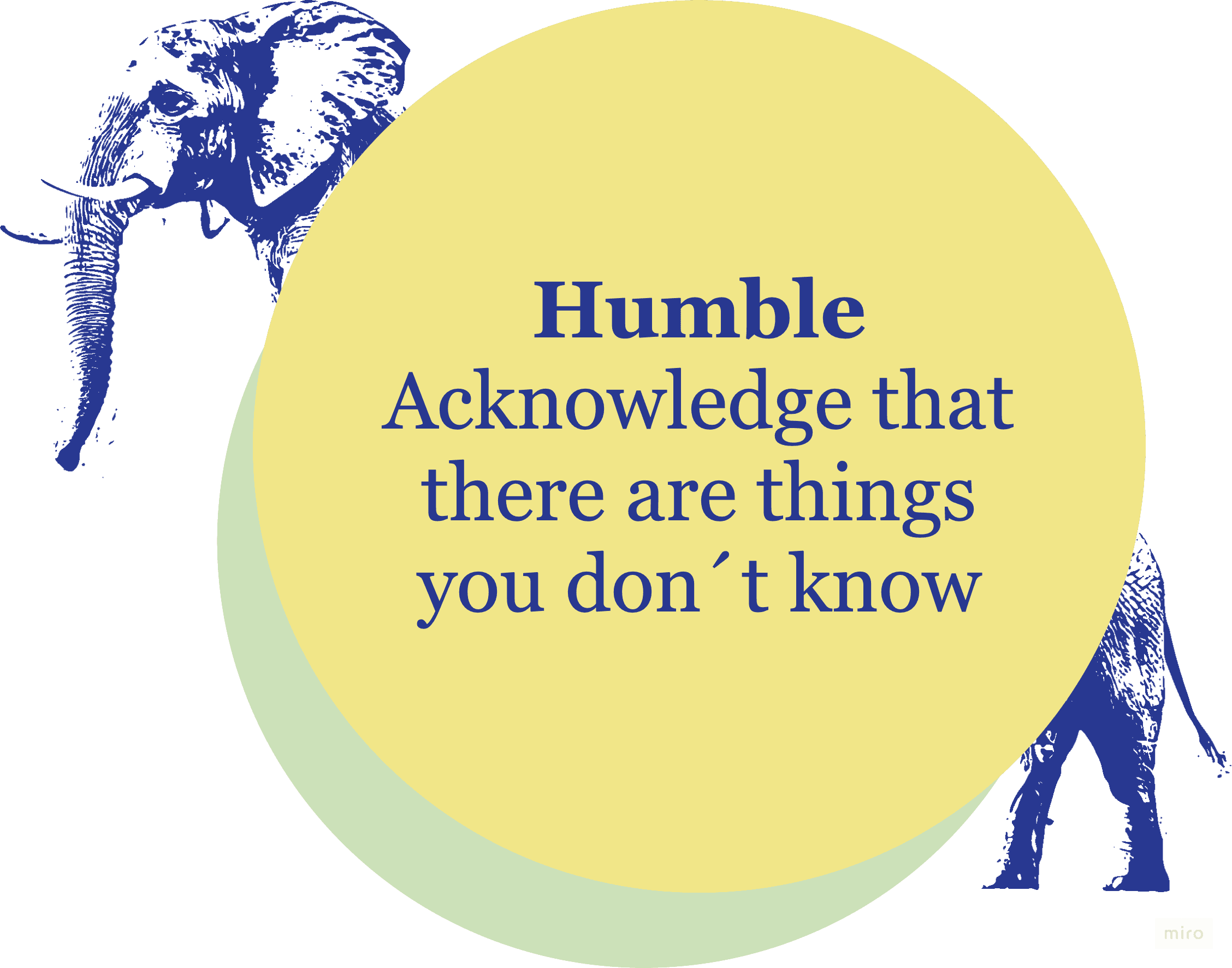


Throughout the process, we developed a set of sustainability values that guided our ideation and the action points we proposed.
The ideation phase helped us process the research further and focused mainly on existing technologies and solutions that could be implemented on a small scale in local communities.
We also found that many potential solutions already existed, but larger conflicts often prevented their implementation. These conflicts are in turn reinforced by the climate crisis, global inequality, and the unequal distribution of resources.


Here is the gigamap ⬇️
It might take a few minutes to load …

